
The Hidden Meaning Behind Your Child’s Challenging Behavior
Every behavior tells a story. Our job as parents? Become expert translators—not co-stars in the drama.
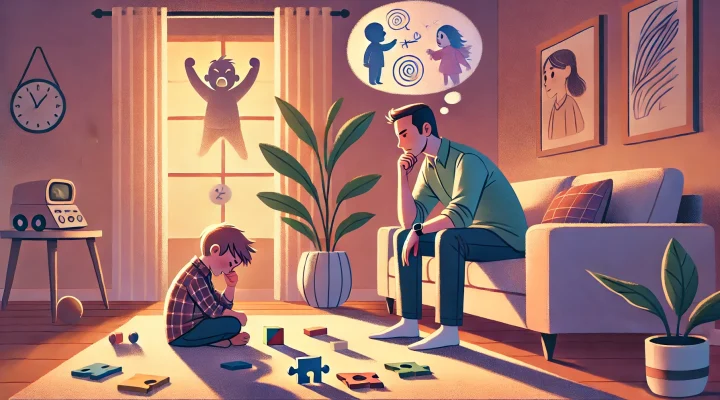
We’ve all been there. You ask your child to put on their shoes, and suddenly, you’re in the middle of a full-blown meltdown that feels like a scene from a soap opera. Tears. Screaming. The works. Meanwhile, you’re standing there wondering: “All this… over a pair of shoes?”
But here’s the thing—every challenging behavior your child displays is a form of communication. Whether it’s defiance, whining, or the ever-classic epic sibling showdown, there’s a deeper story beneath the surface. The trick is learning how to decode it.
What Are They Really Trying to Tell Us?
When your child’s behavior is pushing all your buttons, it’s easy to feel frustrated or even take it personally. But most of the time, they’re not trying to ruin your day—they’re trying to tell you something they can’t quite put into words.
Here’s what might really be happening:
- Tantrums = “I’m overwhelmed and can’t cope.”
- Defiance = “I need a sense of control right now.”
- Whining = “I’m tired or need connection, but I don’t know how to ask.”
- Sibling rivalry = “I’m feeling insecure and need attention.”
Our job is to listen to the behavior, not just react to it. Easier said than done, right? Luckily, with a little practice (and a deep breath or three), you can start translating their behavior into actionable solutions.
Practical Strategies for Decoding and Responding

Stay Curious, Not Furious
Instead of jumping straight to discipline, take a step back and ask yourself: “What’s really going on here?” Is your child tired, hungry, or overstimulated? Identifying the underlying need can help you respond more effectively.
Label the Emotion
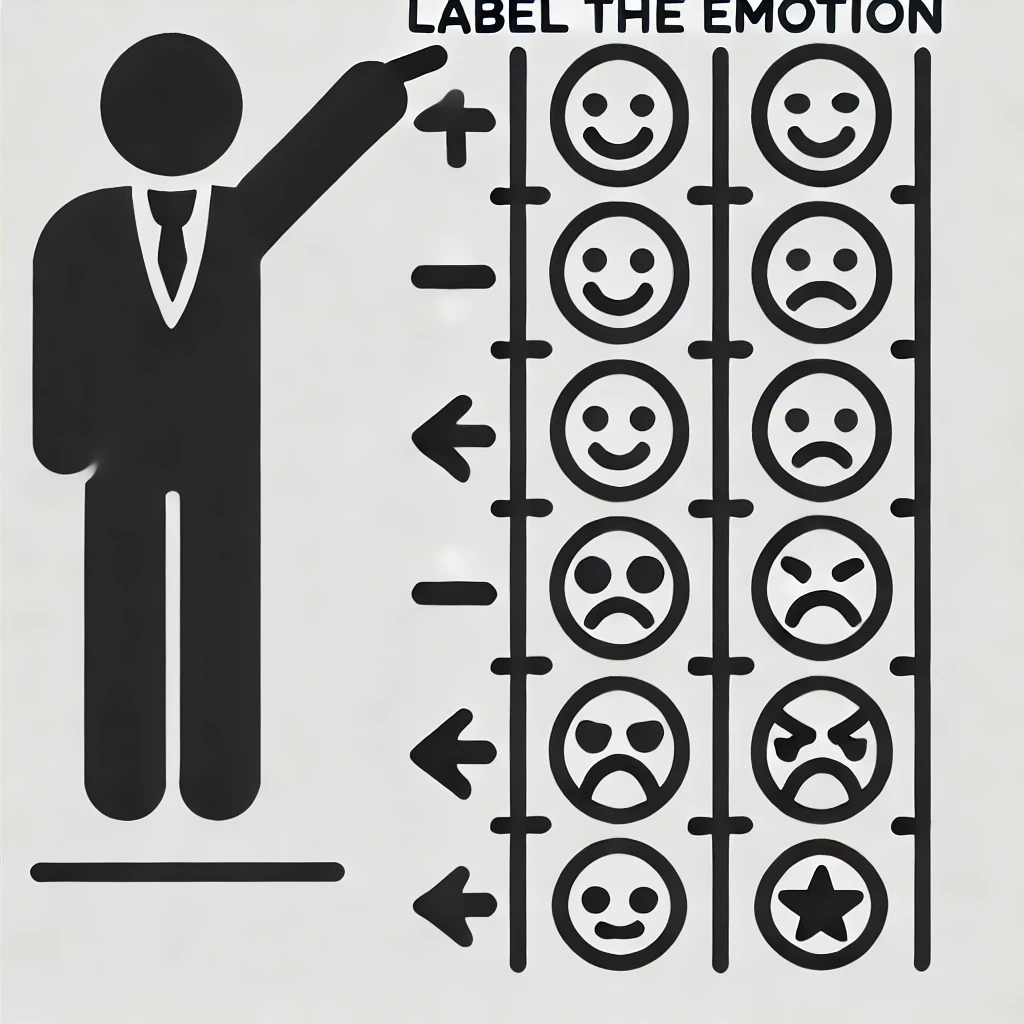
Help your child understand what they’re feeling by giving it a name. “It looks like you’re feeling frustrated because we have to leave the park.” This builds emotional awareness and helps them feel heard.

Offer Choices
Kids crave control, especially when they feel powerless. Offering simple choices can prevent power struggles. “Do you want to wear the red shirt or the blue one?”

Be the Calm in Their Storm
When your child is losing it, staying calm yourself is key. (And yes, I know how hard that is.) Your calm presence helps regulate their nervous system and brings them back down faster.
Teach Coping Skills
Once everyone is calm, talk about ways they can manage big feelings in the future. Deep breaths, a cozy corner, or counting to 10 can work wonders.

Repair, Not Perfection
Even if you mess up and respond with less-than-perfect calm (hello, real life), don’t stress. Repair the situation by apologizing and modeling how to make it right. “I shouldn’t have yelled. Let’s try again.”
The Bottom Line
Every challenging behavior is a clue—a glimpse into what your child is experiencing. If we slow down and listen, we can respond in ways that build connection and teach emotional regulation. No judgment here if you occasionally lose your cool (we’ve all been there). Just remember: parenting is a long game, and every day is a new chance to reset and try again.
Let Me Help
Ready to decode your child’s behavior like a pro? I can help you develop personalized strategies and routines that bring more calm and connection to your family life. Let’s work together to create a plan that works for you!
Want to Learn More?
Here are some expert articles and resources that can help deepen your understanding of this topic:
- Dr. Dan Siegel & Tina Payne Bryson’s “The Whole-Brain Child” (explores how brain development affects behavior)
- Harvard’s Center on the Developing Child (research-backed insights on child behavior and development)
You’ve Got This!
Nicole
Leave a Reply